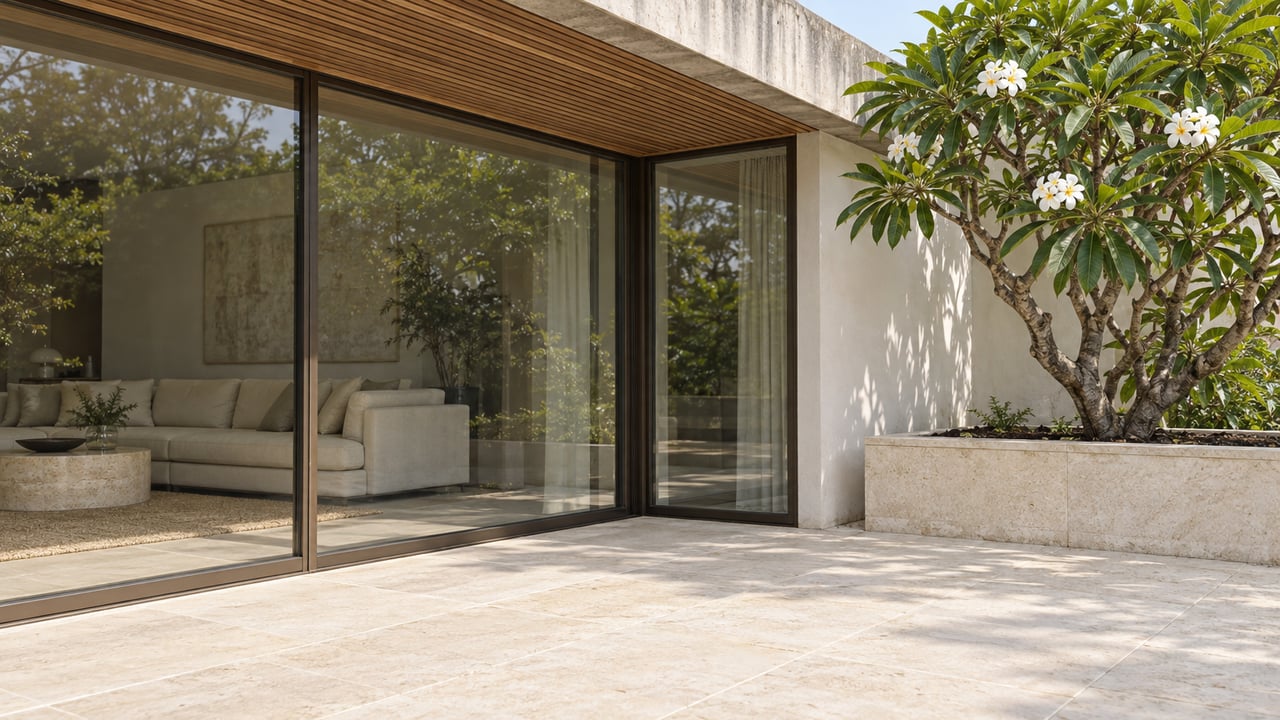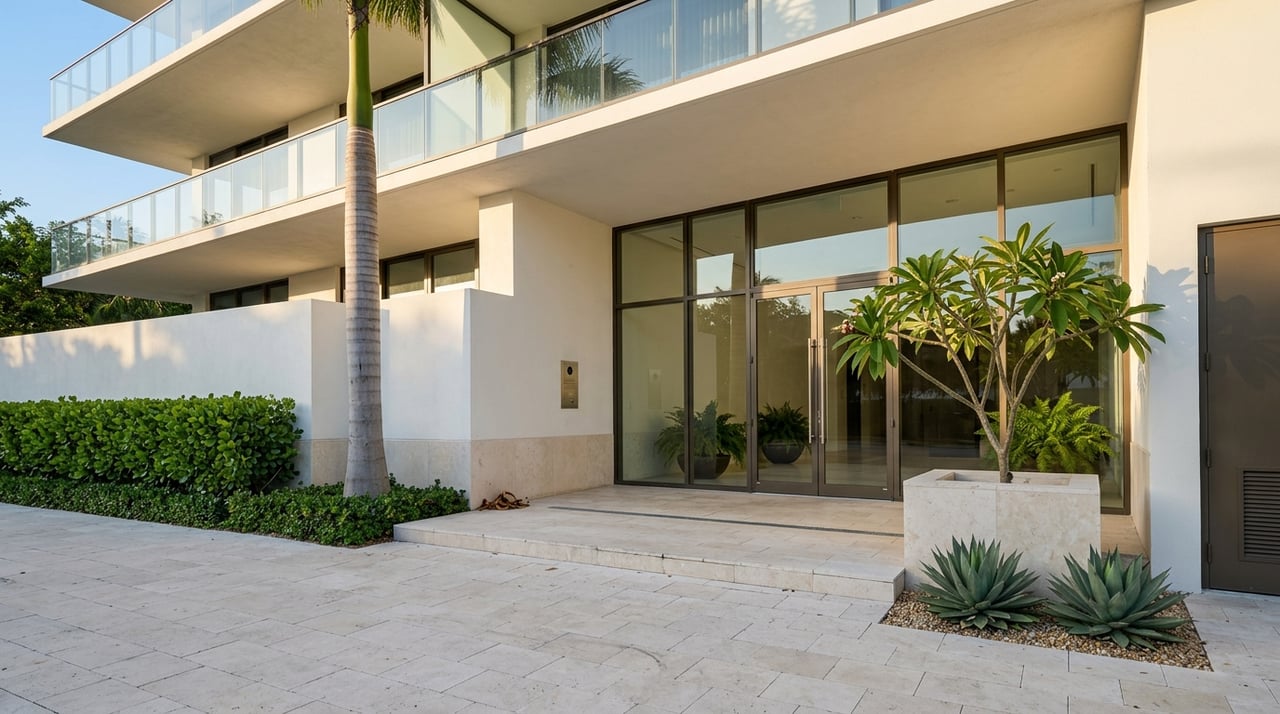
You can buy a condo in Cancún for two very different reasons, and the area you choose will shape almost everything that comes next. If you are deciding between the Hotel Zone and downtown, you are really choosing between a resort-style beachfront experience and a more everyday city-based ownership model. This guide will help you compare lifestyle, pricing, rental potential, and key legal details so you can match the right submarket to your goals. Let’s dive in.
Hotel Zone vs Downtown at a Glance
Cancún’s Hotel Zone and downtown serve different functions within the city. The Hotel Zone was planned as a low-density tourism strip with hotels and services concentrated between the sea and lagoon, which is why it feels more like a resort district than a typical residential area.
Downtown Cancún, or Centro, is the mainland founding zone. Official city mapping places Mercado 23, Mercado 28, Parque de las Palapas, the Palacio Municipal, and the ADO terminal there, which shows its role as the city’s everyday-use core.
If you want the simplest comparison, it comes down to this: the Hotel Zone is the lifestyle-first, beach-driven option, while downtown is usually the more practical and price-efficient option.
What Daily Life Feels Like
Hotel Zone lifestyle
The Hotel Zone is built around beach access, visitor services, and resort-style movement. For many buyers, that creates an immediate vacation feel that is hard to replicate elsewhere in Cancún.
If you picture yourself prioritizing ocean views, direct access to the beach, and a property that feels familiar to travelers, this area usually fits best. It is the part of the city most clearly shaped by tourism, and that matters both for personal use and short-stay demand.
Downtown Cancún lifestyle
Downtown gives you a different kind of convenience. It functions as the city’s civic and cultural center, with markets, public spaces, transportation hubs, and municipal services all part of the daily landscape.
For buyers who want a condo connected to normal city life rather than a resort corridor, Centro can feel more grounded and flexible. It often makes more sense if your plan includes longer stays, full-time use, or a more budget-conscious purchase.
Price Differences Matter
The gap in asking prices between these two areas is significant. On portal pages dated May 2026, the median asking price for condos in Zona Hotelera was MXN 11.59 million, compared with MXN 6.05 million in Cancún Centro.
That pricing difference affects more than your purchase budget. It also changes your financing strategy, your hold costs, and the type of return profile you may reasonably target.
Here is a simple snapshot based on the research report:
| Area | Median Asking Price | Median Asking Rent |
|---|---|---|
| Hotel Zone | MXN 11.59 million | MXN 41.4 thousand/month |
| Downtown Cancún | MXN 6.05 million | MXN 24.4 thousand/month |
The Hotel Zone commands a higher price and a higher asking rent, but that does not automatically make it the stronger value play. For many buyers, the better question is not which area is more expensive, but which area better fits your intended use.
Rental Potential and ROI Signals
Hotel Zone rental profile
The Hotel Zone benefits from strong tourism context. SEDETUR reported that Cancún Airport handled 24.4 million passengers from January to October 2025, and the state reported 85.4% hotel occupancy with about 574,706 tourists during the week of February 21 to 28, 2026.
That helps explain why the Hotel Zone continues to align well with short-stay visitor demand. If you want a condo that supports a vacation-first ownership strategy with rental income as a secondary goal, this area remains compelling.
Using portal medians, rough gross-rent math comes out to about 4.3% in the Hotel Zone. That is only a listing-based inference and does not include HOA dues, vacancy, management, taxes, furnishing, or reserves.
Downtown rental profile
Downtown often looks more efficient on a price-to-rent basis. Based on the same portal medians, rough gross-rent math in Cancún Centro comes out to about 4.8%.
That difference may look small at first, but it matters when your entry price is much lower. Research also noted that in Quintana Roo, the highest-priced beach districts are not automatically the strongest gross-yield plays.
For investors, that means downtown can deserve a closer look than many first-time Cancún buyers expect. You may give up beach prestige, but you can gain efficiency and flexibility.
Which Buyer Fits Each Area
Choose the Hotel Zone if you are lifestyle-first
If your top priority is personal enjoyment, beach access, and the classic Cancún experience, the Hotel Zone is usually the strongest fit. It was designed around tourism and beachfront use, so the lifestyle case is straightforward.
This area often appeals most to second-home buyers who want a place that feels like a resort the moment they arrive. Rental income may still matter, but it is usually not the only reason to buy here.
Choose downtown if you are value-first
If you care more about entry price, longer stays, or better gross-rent efficiency, downtown often makes more sense. The lower median asking price can create a more accessible starting point for both mixed-use buyers and investors.
Centro may also suit buyers who want a property that functions well beyond vacation periods. In practice, that can make it easier to align ownership with longer-term city demand instead of relying mainly on tourism patterns.
Important Legal and Rental Rules
Short-term rental approval is not automatic
One of the biggest mistakes buyers make is assuming that a condo can be rented nightly just because the market supports tourism. In Quintana Roo, state tax and tourism registration rules matter, but building-level documents still control how a unit may be used.
The condominium regime, condominium regulations, and assembly rules are governing documents for use and administration. That means a building can be more restrictive than the broader tax framework, so you should verify short-term rental permission in the deed, bylaws, and HOA rules before you buy.
State lodging tax and registration
Quintana Roo’s lodging tax law covers apartments, houses, villas, hotels, marinas, time-share, and other lodging. The law states a 5% rate generally, and a 6% rate for the apartment, house, and villa category when the host or platform collects payment.
Hosts must register in the state tax system, and hosts must also enroll in RETUR-Q, the state tourism registry. Platforms have their own registration and reporting obligations as well.
Federal tax compliance still applies
If you plan to rent through a technology platform, federal SAT rules add another layer. People providing lodging through these platforms must register in the RFC, and the platform framework includes ISR and IVA withholding and reporting compliance.
For buyers, the practical takeaway is simple: short-term rental use is not just an operations choice. It is also a compliance issue.
Foreign buyers should verify ownership structure
For international buyers, Cancún is a coastal market, so the restricted zone matters. According to the SRE, foreigners cannot directly acquire land within 50 kilometers of the beaches and may instead use a bank trust, or fideicomiso, for residential use for up to 50 years.
Because this is a location-specific issue, you should verify each condo with the notary and title file rather than make assumptions based on neighborhood alone. That is especially important when comparing the Hotel Zone with city-side options.
A Quick Note on Other Areas
While this comparison focuses on the Hotel Zone and downtown, two nearby alternatives are worth understanding. Huayacán and the southwest growth corridor are expanding residential areas that municipal communications have identified as important growth zones.
They generally sit at a lower price point than both the Hotel Zone and Centro, and listing-based gross-rent math in one Huayacán sample came out higher. On the other hand, Puerto Cancún is the premium outlier, with current portal medians around MXN 22.8 million, which places it in a different luxury bracket rather than as a lower-cost alternative.
Final Takeaway
If you are choosing between the Hotel Zone and downtown Cancún, start with your real objective. Buy in the Hotel Zone if you want beachfront lifestyle, resort energy, and strong tourism recognition. Buy downtown if you want a lower entry price, more everyday functionality, and often better gross-rent efficiency.
The best choice is not the most famous area. It is the one that fits how you plan to use the property, how you want it to perform, and what level of compliance and ownership structure you are prepared to manage.
If you want help comparing specific condos in Cancún, including lifestyle fit, rental logic, and cross-border buying structure, schedule a personalized consultation with Riviera Maya Homes.
FAQs
Is the Hotel Zone or downtown better for a second home in Cancún?
- The Hotel Zone is usually a better fit if your main goal is vacation use, beach access, and a resort-style setting, while downtown often fits buyers who want more everyday city functionality and a lower entry price.
Is the Hotel Zone or downtown better for rental ROI in Cancún?
- Based on listing medians in the research report, downtown showed slightly better rough gross-rent efficiency than the Hotel Zone, while the Hotel Zone remained stronger for beachfront lifestyle and tourism branding.
Can foreigners buy condos in the Hotel Zone or downtown Cancún?
- Yes, but because Cancún is a coastal market, foreign buyers should verify whether the purchase requires a fideicomiso and confirm the ownership structure with the notary and title file.
Can every condo in Cancún be used as a short-term rental?
- No. State tax registration and RETUR-Q enrollment may be required, but the deed, condominium bylaws, and HOA rules can still restrict or prohibit short-term rentals.
What taxes and registrations matter for short-term rentals in Cancún?
- Quintana Roo lodging tax rules apply to lodging uses, hosts must register in the state tax system and RETUR-Q, and SAT platform-related tax compliance may also apply when rentals are offered through technology platforms.